
Regular care of outdoor water spaces helps protect their build while keeping the area looking neat. A pool needs consistent attention so that small signs of damage do not turn into bigger issues later. Simple checks and light cleaning methods help maintain strength and clear water for a longer time. Balanced care methods also reduce repair costs while keeping surfaces neat and smooth for longer periods, with private pool maintenance ensuring consistent quality and lasting visual appeal.
Surface Cleaning Routine
Daily and weekly cleaning keeps buildup from sticking to surfaces. Gentle brushing removes dust and early stains before they settle deeper. Using mild tools avoids scratches while preserving the smooth finish. A simple routine helps maintain a neat appearance without extra effort.
Balanced Water Chemistry
Maintaining proper chemical levels protects the inner layers from damage. Balanced water prevents scaling and surface roughness over time. Testing frequently ensures levels stay within a safe range for materials. This habit supports a steady condition without sudden changes affecting the structure.
Protective Coating Methods
Applying protective layers adds an extra shield against wear. These coatings reduce fading caused by sunlight and frequent usage. They also help surfaces resist stains and minor cracks. Timely reapplication ensures lasting protection and supports private pool maintenance goals.
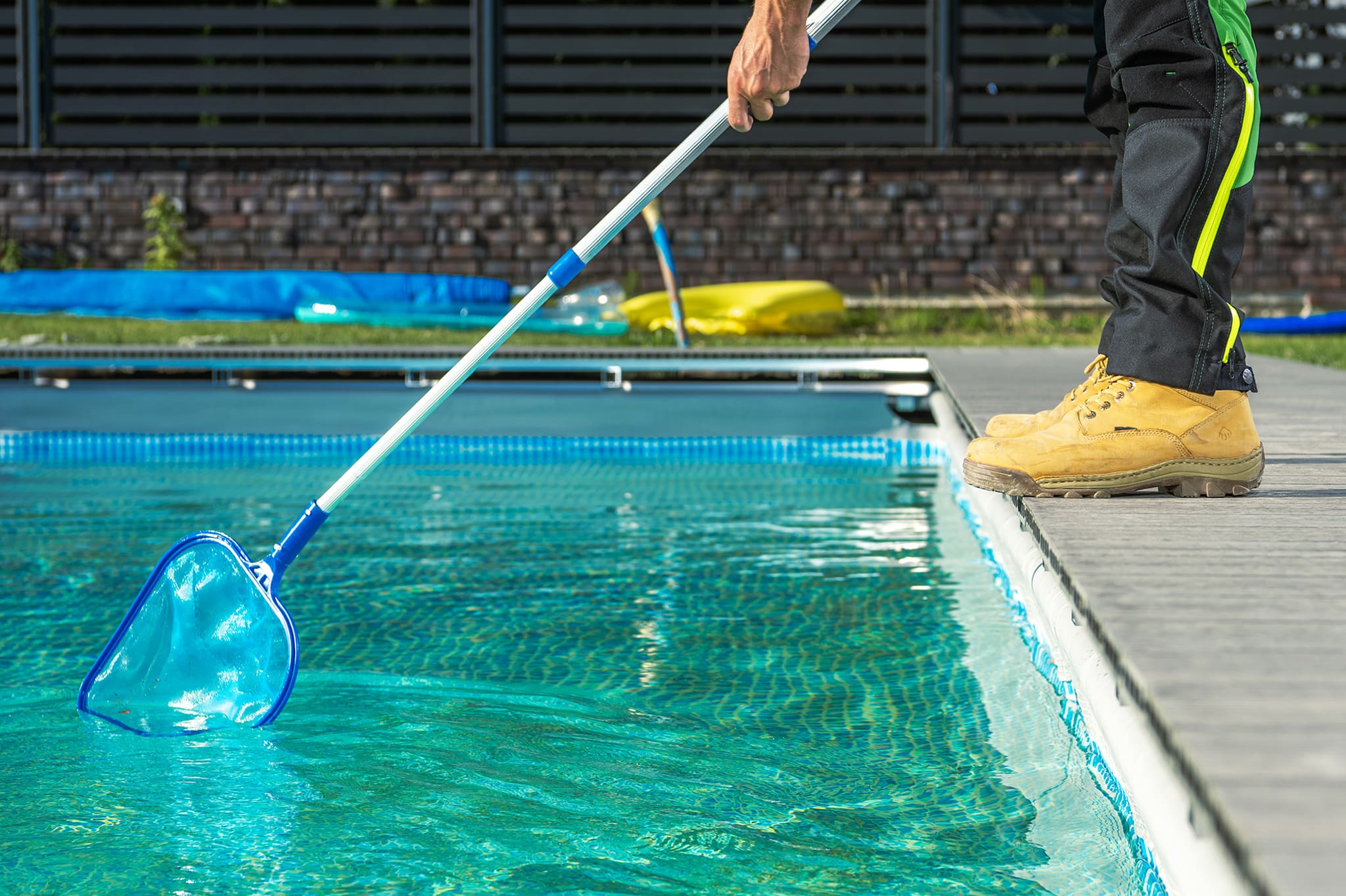
Routine Inspection Checklist
Frequent checks ensure every section remains in good condition. Observing edges and corners helps detect early signs of wear. Quick action keeps repair efforts simple and manageable. This approach supports long-term strength and a clean finish.
- Check surface texture weekly for rough patches or uneven sections
- Observe color changes indicating early wear or chemical imbalance signs
- Inspect joints carefully to avoid hidden cracks growing over time
- Clean debris quickly to prevent staining or unwanted surface buildup
- Monitor water clarity regularly to maintain safe and stable conditions
Maintaining stable care habits improves durability while reducing sudden repair requirements. Regular upkeep and proper treatment aid maintain both strength and visual appeal over the years. Fixing minor concerns at an early stage prevents expensive repairs later and keeps everything in good shape.
FAQs
What is the best frequency for checking surface conditions regularly?
Check surface condition weekly to catch early damage and prevent spreading issues.
Why is a balanced water level important for surface durability over time?
Balanced levels protect material strength and reduce the risk of cracks forming early.
Can small cracks lead to major structural problems if ignored for a long time?
Yes, small cracks expand gradually and cause more serious damage if untreated promptly.