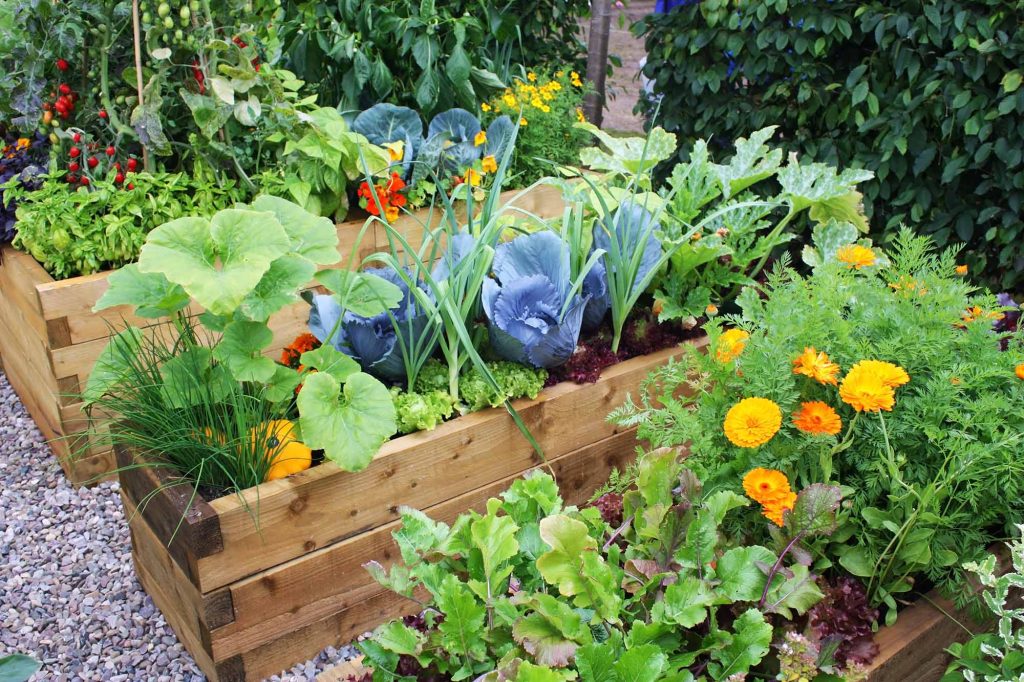
Starting a sustainable garden is a rewarding way to contribute to the environment, reduce your carbon footprint, and even enjoy fresh, homegrown produce. Whether you’re looking to grow flowers, vegetables, or herbs, a sustainable garden can be both beautiful and practical. In this article, we’ll cover the basics of building a sustainable garden, focusing on eco-friendly practices that help protect the environment and promote long-term growth.
1. Choose Native Plants
The foundation of any sustainable garden is choosing plants that are native to your area. Native plants are well-suited to your local climate, require less water, and are more resistant to pests and diseases. By planting native species, you also support local wildlife, including birds, bees, and butterflies. Research the best native plants for your region and incorporate them into your garden design.
2. Implement Water Conservation Techniques
Water conservation is a key principle of sustainable gardening. You can conserve water by using drip irrigation systems that deliver water directly to the roots of plants, reducing waste. Additionally, collect rainwater using a rain barrel to water your garden. This is not only a sustainable practice but also a cost-saving one, especially during dry periods.
Consider planting drought-tolerant species that thrive with minimal water. Once established, these plants require little maintenance and can withstand periods of low rainfall, making them ideal for sustainable gardens.
3. Composting for Healthy Soil
Healthy soil is the cornerstone of any thriving garden. One way to improve soil health sustainably is by composting organic waste, such as kitchen scraps and yard clippings. Composting helps reduce landfill waste while creating nutrient-rich soil that promotes plant growth.
Set up a compost bin in your garden or use a composting system like vermiculture (worm composting) to break down organic matter. The compost produced will enrich your soil with essential nutrients, reducing the need for chemical fertilizers that can harm the environment.
4. Reduce Chemical Use
One of the hallmarks of a sustainable garden is minimizing the use of harmful chemicals. Pesticides and herbicides can be harmful to both the environment and your health. Instead, use natural alternatives like neem oil, companion planting, and beneficial insects such as ladybugs to control pests.
Consider using organic fertilizers made from compost, manure, or other natural sources. These fertilizers nourish the soil without harming the ecosystem or polluting nearby water sources.
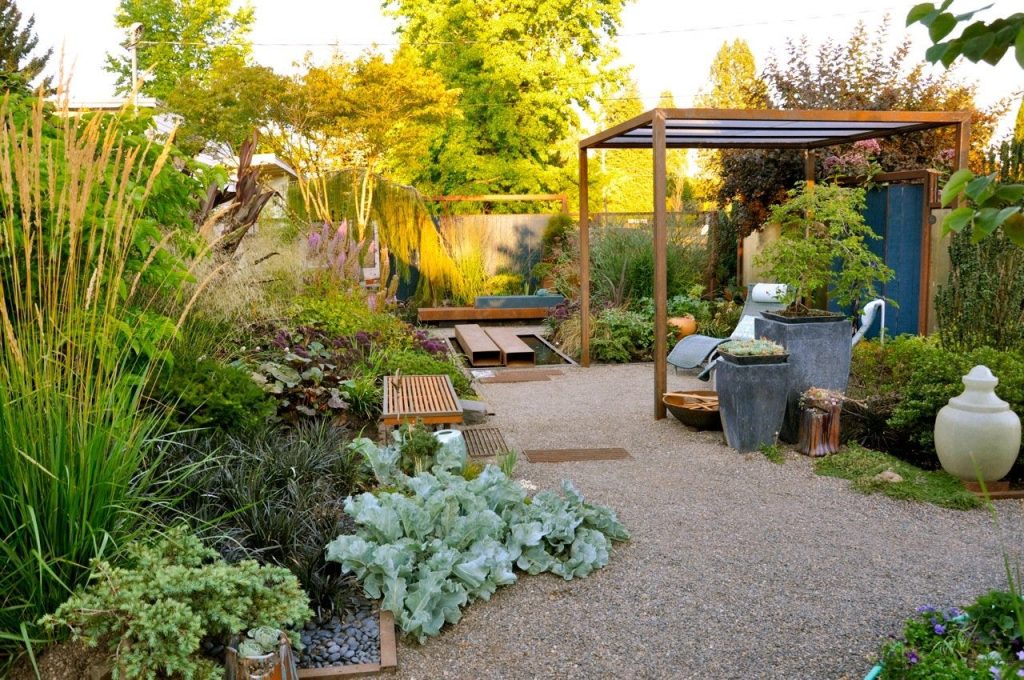
5. Embrace Sustainable Gardening Tools
When selecting tools for your garden, opt for sustainable options. Choose tools made from durable, eco-friendly materials like bamboo or stainless steel. Avoid plastic tools that may break easily and contribute to waste.
Electric or manual tools are better for the environment than gas-powered ones. For example, you might use a hand-powered rake or an electric lawnmower to reduce your carbon footprint. You can also look for tools from companies that promote sustainability, like Dominant Vapor, which focuses on creating high-quality, eco-friendly products.
6. Encourage Biodiversity
Biodiversity is an essential element of a sustainable garden. By incorporating a variety of plants, trees, and shrubs, you create an ecosystem that supports different species of insects, birds, and animals. Planting a mix of flowering plants, fruit-bearing trees, and vegetables will attract pollinators and increase the resilience of your garden.
Consider adding a small pond or water feature to attract amphibians and beneficial insects like dragonflies. The more diverse your garden, the more resilient it will be to pests and diseases.
Conclusion
Building a sustainable garden is a fulfilling and environmentally responsible way to enjoy nature. By choosing native plants, conserving water, composting, and reducing chemical use, you can create a garden that thrives while benefiting the planet. With sustainable tools and eco-friendly practices, your garden will become a haven for both plants and wildlife. Remember, even small changes can make a big difference, and the joy of watching your garden grow sustainably is well worth the effort.