
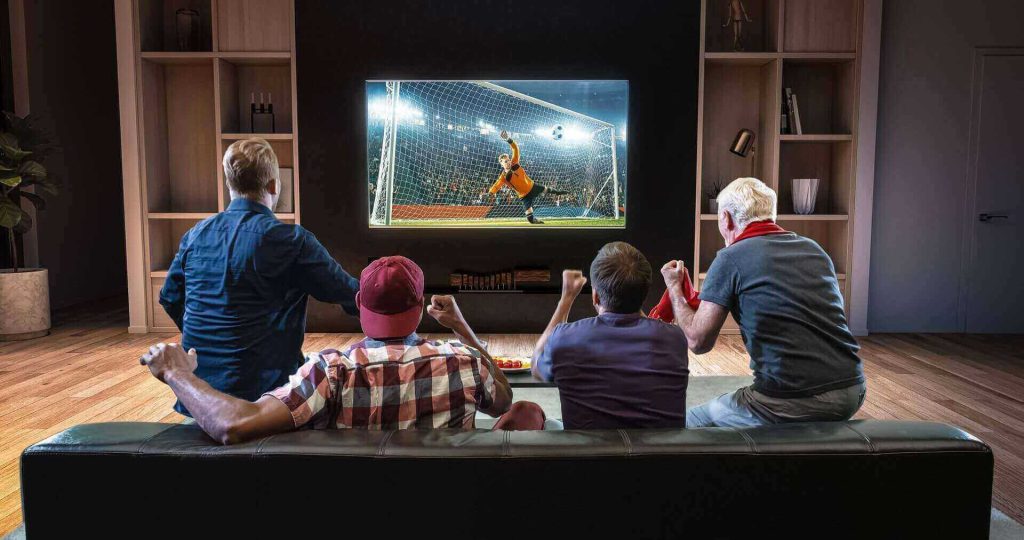
For many people the first step into modern television feels confusing. There are new terms new setups and plenty of advice that sounds more complex than it needs to be. In the middle of that confusion an IPTV Full Guide helps beginners understand the basics without pressure. This way of watching is meant to feel natural not technical. Once the core ideas are clear everything else becomes easier.
After getting a basic sense of what this shift means most beginners focus on a few simple ideas before moving forward.
- Wanting control over when to watch
- Wanting fewer cables and boxes
- Wanting content that fits personal routines
- Wanting something easy to learn
These points shape how people approach modern viewing for the first time.
What this viewing style actually means
This viewing method delivers television through the internet instead of traditional broadcast signals. That is the only real difference at the core. Content arrives through a stable internet connection and plays directly on a screen.
Beginners often expect something complex but the experience itself feels familiar. You select something to watch and it plays. The technology stays mostly invisible which helps people relax into it quickly.
How content reaches screens without cables
Instead of satellite dishes or thick wiring the internet handles delivery. The same connection used for browsing or video calls also carries television content.
This setup reduces clutter and makes moving between rooms easier. Many beginners appreciate how clean the arrangement feels once cables are removed.
- Internet connection sends content
- Supported device receives the stream
- Screen displays content smoothly
That simplicity is what surprises most first time users.
Common myths people believe at first
Some beginners think internet based viewing is unstable or complicated. Others believe it only works on expensive devices. These ideas often come from outdated information.
In reality most modern homes already have what they need. A stable connection and a compatible screen are enough. Once people try it those early worries usually fade.
Devices that support this viewing method
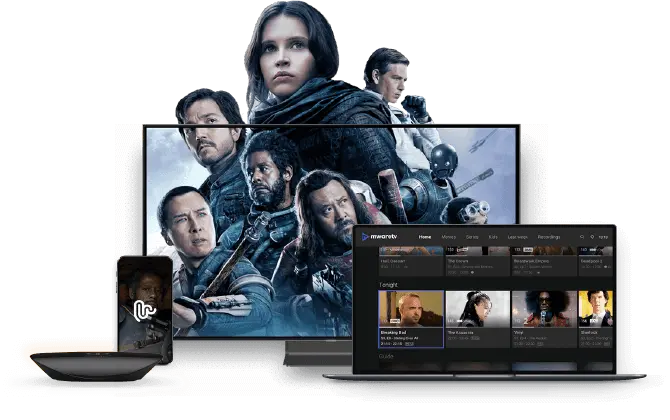
One reason beginners adapt quickly is device variety. Many screens already support this method without extra hardware.
- Smart televisions
- Streaming sticks
- Mobile phones
- Tablets
- Computers
This flexibility allows beginners to experiment without committing to one screen. They can test what feels comfortable first.
Internet needs explained in simple terms
A steady connection matters more than extreme speed. Beginners do not need the fastest plan available. What matters is consistency.
If video streams smoothly during normal online viewing it will usually work well here too. Knowing this helps beginners avoid unnecessary upgrades and stress.
Why beginners prefer learning slowly
Rushing into settings and features often creates frustration. Beginners do better when they explore at their own pace.
Trying one feature at a time builds confidence. Over time the system feels familiar and natural. Before reaching the conclusion many beginners notice that an IPTV Full Guide feels less like instructions and more like reassurance.
Modern television does not demand expertise. It rewards curiosity and patience. Once beginners understand that there is no rush the experience becomes enjoyable instead of overwhelming.