
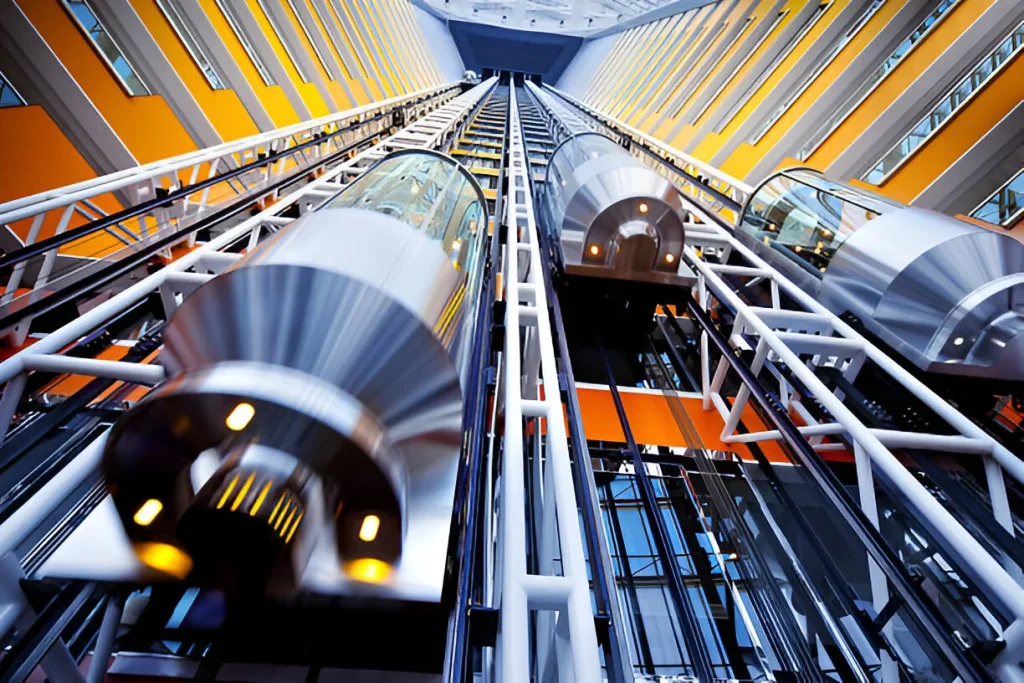
It has always taken a lot of time to keep lifts safe and in line with the rules. The old way of doing things, with things like handwritten review logs and paper paperwork, leaves a lot of room for mistakes and delays. Operators now have a more effective way to keep an eye on safety data, record it, and report it thanks to the rise of connected technology. Using IoT Integration for the Elevator Industry, facilities can make thorough digital inspection logs on their own, making sure that all safety standards are met with little to no help from humans.
Digital Inspection Logs That Are Automatic
With IoT processes, inspection records don’t have to be kept on paper or in a database by hand. Instead, every inspection and maintenance task is recorded immediately by the system.
Why automated digital logs are helpful:
- Audits need permanent records that can’t be changed.
- Safety officials can get to you right away.
- Less work for property managers to do in terms of paperwork.
- Maintenance activities can now be tracked more easily.
Making it Easier to Follow the Rules
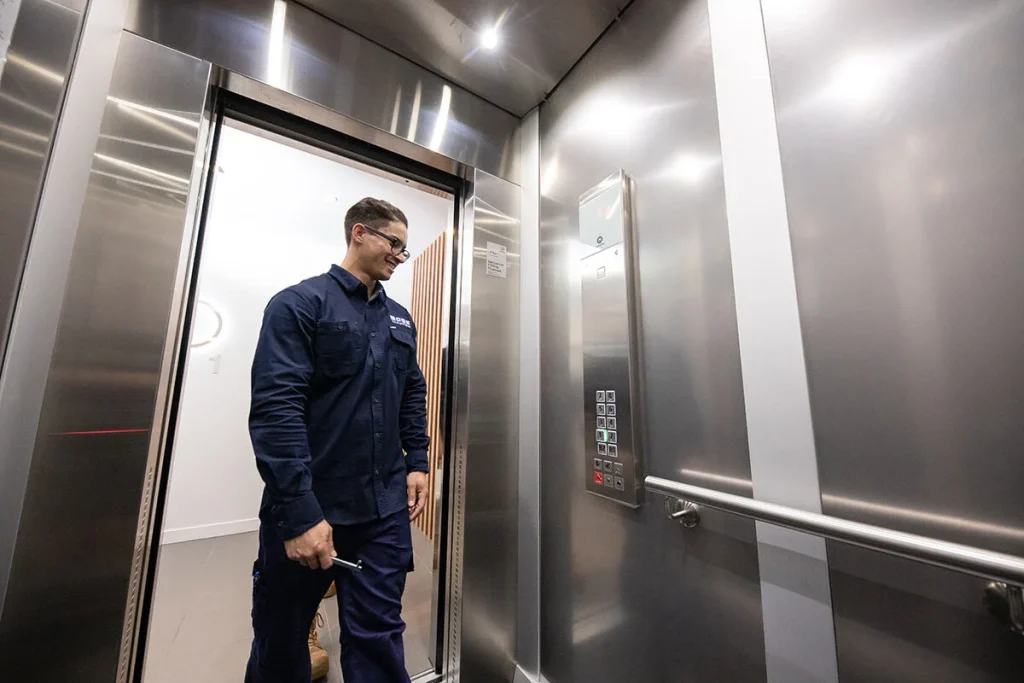
Elevator safety rules often need thorough paperwork to show that they are being followed. By building compliance rules right into the monitoring software, IoT processes make it easy to meet these standards.
Benefits for following the rules:
- Compliance reports are made automatically.
- Set times for inspections based on what the law says.
- It’s easy to send computer reports to the government.
- Safety approvals with less human error.
What role does data analytics play in making sure safety?
IoT systems not only keep logs of inspections, but they also look at them to see what issues could arise and stop them before they do. Repair teams can quickly fix problems when they can see them coming, which avoids costly downtime and safety risks.
This is how data analytics adds value:
- Finding trends in how elevators are used.
- Putting an emphasis on high-risk parts that need to be fixed right away.
- figuring out when to change parts.
- Making sure that safety steps are always getting better.
The IoT Integration for the Elevator Industry makes sure that inspection records, safety paperwork, and tracking of compliance are more accurate, faster, and easier to handle than ever.
It takes the guesswork out of managing elevator safety with IoT workflows that combine real-time tracking with automated documentation. Operators can focus on keeping systems running easily, knowing that all inspections and government rules will be recorded, stored, and ready to be looked over whenever necessary. It saves time and money, and people will know that every elevator ride is safe because of this change.