
Scars do not behave politely. Some fade away quietly. Others stay exactly where they are, no matter how much time passes or how many products get layered on. People usually try to ignore them at first. Then they try creams. Then stronger creams. Then they stop trying for a while. Eventually frustration kicks in, and that is when real research starts. Somewhere in that phase, subcision scar treatment bangkok comes up in real conversations, usually from people who have already tried everything else.
This interest rarely comes from vanity alone. It comes from tiredness. From looking at the same marks every morning and knowing nothing has changed. From wanting improvement, not perfection, just enough that the scar stops being the first thing noticed.
Why some scars remain visible over time
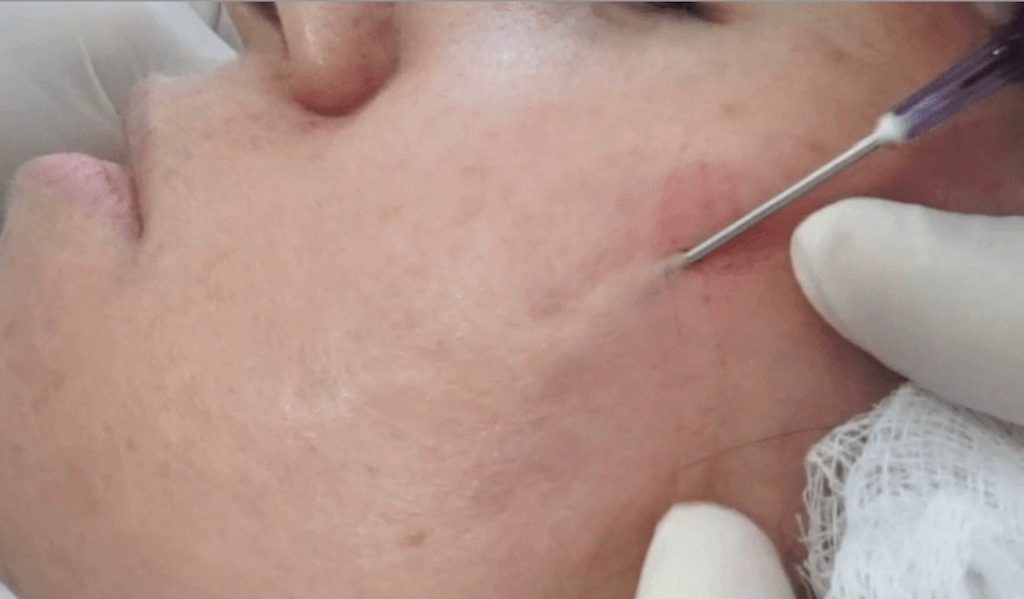
Not all scars live on the surface. That is the part many people do not realize early on. Some scars are pulled down from underneath by tight fibrous bands. The top layer might look healed, but below that, the skin is still trapped.
Acne scars are a common example. When inflammation damages deeper layers, healing can create internal tension that keeps the skin uneven. No amount of surface treatment can release that pull.
Once people understand this, it usually explains years of disappointment with products that never worked.
Suitable candidates for this type of care
This treatment is usually considered for depressed scars rather than raised ones. Rolling acne scars respond particularly well in many cases.
People who do best with this option tend to be realistic. They understand improvement is gradual. They are not expecting their skin to look untouched.
A proper assessment matters. Not every scar behaves the same way, and honest guidance helps avoid disappointment.
Combining treatments for smoother results
Subcision is often not the only step. Many providers combine it with other treatments over time. Fillers may be used to support lifted skin. Microneedling or laser treatments may follow later.
Timing is important. Doing too much too quickly can slow healing. Spacing treatments allows the skin to recover and respond properly.
The best plans are paced, not rushed.
Post treatment care and patience
Aftercare plays a quiet but important role. Gentle cleansing. Avoiding pressure on treated areas. Staying out of strong sun.
Bruising fades. Swelling settles. Collagen keeps forming long after the surface looks calm again. This is where patience matters most.
At some point, frustration turns into clarity. Understanding why scars never improved before changes how people approach treatment. For many, learning about subcision scar treatment bangkok feels less like chasing another option and more like finally addressing the real problem underneath.
Scar improvement is not about erasing history. It is about softening what remains so it no longer dominates the face. When change happens gradually and logically, confidence tends to return without effort. That quiet shift is usually what people were hoping for all along.