
Austin, Texas continues to be one of the most dynamic real estate markets in the United States, attracting buyers, renters, and investors alike. Fueled by ongoing population growth, thriving tech employment hubs, and a vibrant cultural scene, Austin’s neighborhoods offer a variety of investment opportunities — from urban condos and multifamily units to family-friendly single-family homes and walkable mixed-use districts. In this guide, we’ll explore the top neighborhoods and suburban markets where real estate investors should focus in 2026.
Whether you’re a first-time investor or a seasoned portfolio builder, this article will help you navigate the Austin market with insight and clarity.
Why Austin Real Estate Is Still Attractive
Before diving into specific neighborhoods, it’s important to understand why Austin remains an appealing investment landscape:
- Strong population growth: Central Texas continues to attract newcomers for jobs, lifestyle, and relative affordability.
- Job market diversity: Technology, education, healthcare, and creative industries continue to expand.
- Rental demand: With high migration and a young professional population, rental properties remain in strong demand.
- Suburban growth: Surrounding areas are gaining appeal for affordability and space.
These factors combine to create both long-term appreciation potential and steady rental income opportunities.
1. Downtown Austin
Downtown remains a premier investment zone due to its proximity to major employers, entertainment, and public transit. Investors will find demand for luxury condos, high-rise apartments, short-term rentals, and mixed-use developments. Its walkability and concentration of amenities make it attractive to professionals and students alike, with consistent demand keeping vacancy rates low.
2. East Austin
East Austin has transformed dramatically over the past decade, emerging as one of the city’s most culturally vibrant and economically active neighborhoods. Once overlooked, East Austin now hosts a blend of art, food, and innovation districts, paired with new residential developments that attract both renters and buyers. Its combination of historic character and redevelopment makes East Austin ideal for value-add investments and long-term growth.
3. South Congress (SoCo)
South Congress, often called SoCo, is a cultural hub known for its eclectic vibe, live music scene, boutique shops, and dining destinations. The neighborhood’s unique character draws locals and visitors alike, creating demand for both rental properties and short-term stays. SoCo’s established reputation and ongoing development make it a compelling choice for investors focused on appreciation and lifestyle appeal.
4. Mueller
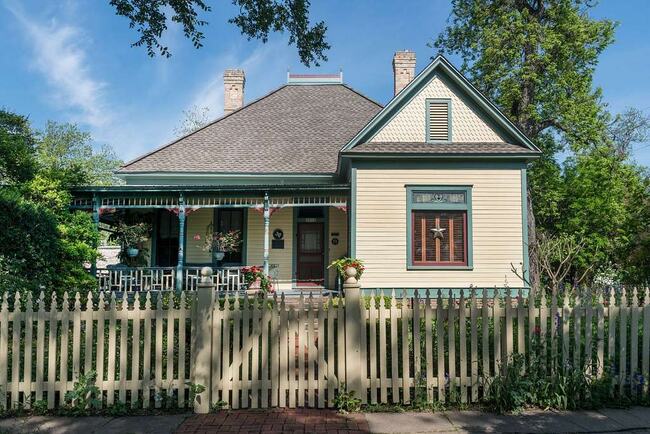
Mueller is a master-planned community that blends walkability, sustainability, and modern living. Built on the former airport site, Mueller features residential, commercial, and recreational spaces within an interconnected layout. With ongoing development and strong community amenities, Mueller appeals to families, professionals, and renters seeking a high quality of life. Its diverse housing options — from single-family homes to townhomes and apartments — provide flexibility for different investment strategies.
5. North Loop
The North Loop neighborhood has become increasingly popular due to its quirky shops, cafes, and proximity to both the University of Texas and downtown Austin. Its mix of older homes and newer developments appeals to a variety of buyers and renters. The strong rental demand, coupled with potential for property appreciation, positions North Loop as an attractive investment locale.
6. Zilker
Zilker is one of Austin’s most desirable residential areas, nestled near Lady Bird Lake and home to Zilker Park. Outdoor amenities and easy access to trails and cultural events contribute to its appeal. Real estate in Zilker tends to remain in high demand, with strong rental markets and long-term growth prospects.
7. Travis Heights
Just south of downtown, Travis Heights offers historic charm and proximity to South Congress Avenue. Its character-rich homes and access to urban amenities make it popular among renters and buyers alike. Travis Heights appeals to investors who value both lifestyle perks and stable appreciation potential.
8. Brentwood
Brentwood sits in central Austin and has gained attention for its community atmosphere and relative affordability compared to some core urban districts. With newer development projects and proximity to transit and shopping, Brentwood continues to see steady growth and strong demand from both renters and buyers.
9. Windsor Park
Windsor Park, located in Northeast Austin, is an emerging investment area known for its affordability and convenient connectivity to major employers and transit routes. Its mix of mid-century homes and newer developments creates options for investors seeking value buys with upside potential.
10. Suburban Opportunities: Round Rock, Cedar Park & Beyond
For investors seeking space, value, and long-term stability outside the city core, several suburbs around Austin offer compelling options:
- Round Rock: Known for excellent schools and strong family demand, Round Rock remains a stable rental market with consistent appreciation.
- Cedar Park: Fast growth and great commuter access make Cedar Park a solid choice for single-family rental investments.
- Bee Cave & Lago Vista: Scenic locales around Lake Travis appeal to higher-income tenants and vacation renters, presenting both traditional and short-term rental opportunities.
- Hutto & Del Valle: These outlying areas offer more affordable entry points with potential long-term growth as infrastructure and employment expand.
Suburban markets allow investors to diversify portfolios while capturing demand from families, remote workers, and long-term renters.
Utilizing Tools and Resources for Smart Investing
Successful real estate investing requires informed decision-making. Partnering with local experts, leveraging market research tools, and engaging with AKI homes online can give investors an edge. These resources help validate investment assumptions, assess neighborhood fundamentals, and anticipate long-term trends based on data and local expertise.
Investment Strategies for Austin Neighborhoods
When investing in Austin real estate, consider the following approaches:
- Buy and hold for rental income: Target stable neighborhoods with strong rental demand and long-term appreciation potential.
- Value-add renovations: Seek properties in emerging or transitional areas that can benefit from modernization and upgrades.
- Short-term rentals: Focus on areas with tourism appeal (e.g., SoCo, Downtown, Zilker) if local regulations permit.
- Mixed-use and multifamily projects: Higher density and mixed-use developments near transit and employment centers offer compelling returns.
Each strategy requires careful analysis of cash flow, market trends, taxes, and tenant profiles.
Market Trends and Risks to Watch
While Austin real estate has shown resilience, investors should consider:
- Market cooling: Certain micro-markets may experience slower pricing if interest rates remain high or supply increases.
- Property taxes: Texas has higher property taxes than many states, which can impact cash flow.
- Regulatory changes: Assess local short-term rental regulations and zoning updates that may affect investment viability.
Diversifying across neighborhood types and investment styles can mitigate risk and enhance portfolio stability.
Frequently Asked Questions (FAQs)
-
What makes Austin a top city for real estate investment?
Austin’s growth, strong job market, and high rental demand make it a hotspot for investors.
-
Which neighborhoods have the best rental returns?
Downtown, East Austin, SoCo, and Zilker typically offer strong rental demand and yields.
-
Are suburban areas worth investing in?
Yes. Suburbs like Round Rock and Cedar Park provide affordability, family appeal, and steady growth.
-
How do I choose between urban and suburban properties?
Urban areas offer higher rent and short-term demand, while suburbs offer stability and lower entry cost.
-
What is the best strategy for investing in Austin?
Consider buy-and-hold rentals, value-add renovations, or short-term rentals based on location and goals.
Conclusion: Making Informed Investment Choices in Austin
Austin’s real estate market continues to offer exciting opportunities for investors willing to do their research and adopt a long-term perspective. From dynamic urban centers like Downtown and East Austin to vibrant districts such as Mueller, Zilker, and South Congress, the city delivers diverse investment potentials for various strategies. Suburban areas like Round Rock, Cedar Park, and Bee Cave further broaden options with affordability and growth trends.
By understanding neighborhood fundamentals and aligning investment goals with market realities, investors can make informed decisions that deliver both income and appreciation over time.